
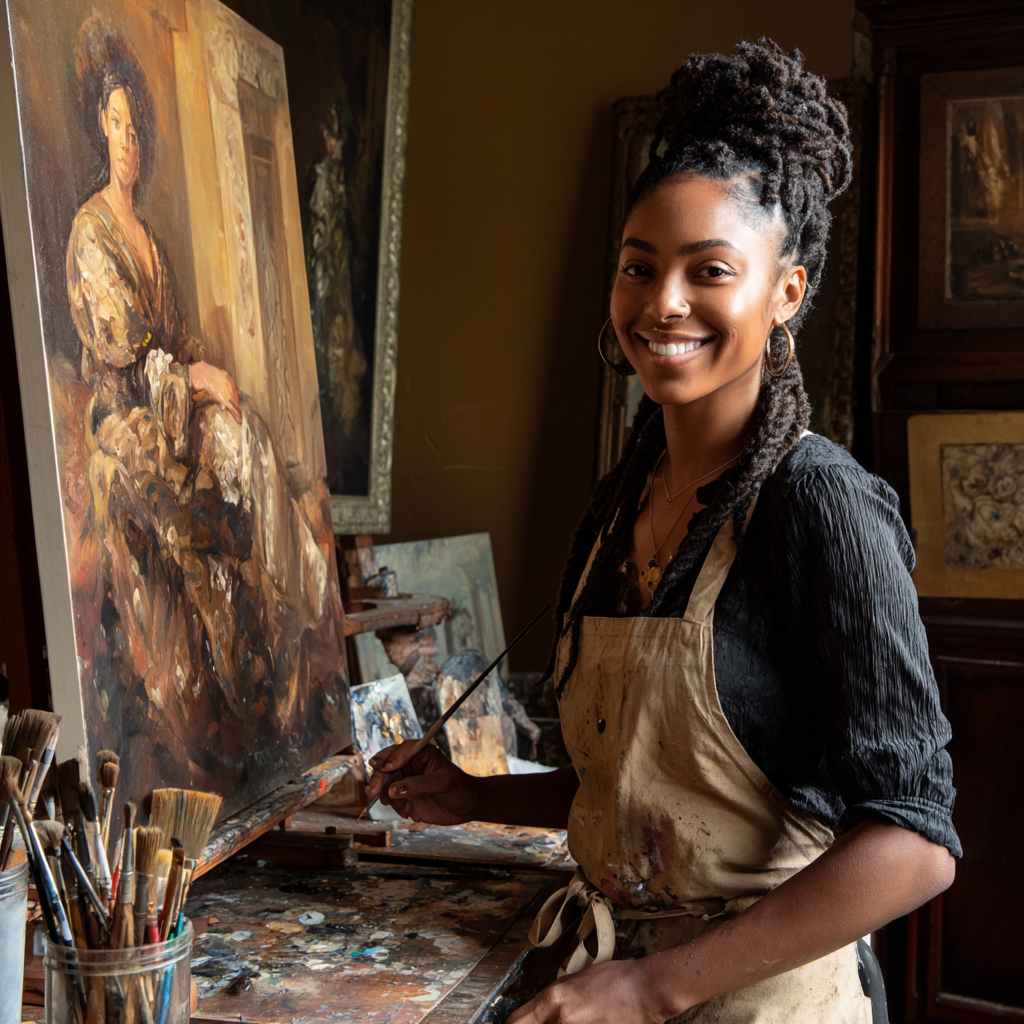
What Fine Art Taught Me About Product Design
My path into design didn’t start with pixels. It started with a Crayola 64 box, Prismacolor pencils, watercolors, and sketchbooks filled with ideas I was trying to bring to life with my hands.
My path into design didn’t start with pixels. It started with a Crayola 64 box, Prismacolor pencils, watercolors, and sketchbooks filled with ideas I was trying to bring to life with my hands.
Not because it’s beautiful — it’s not. Not because it’s innovative — it’s fairly standard. But because every time I use it, the transaction is so smooth, so predictable, so forgettable that I never think about it.
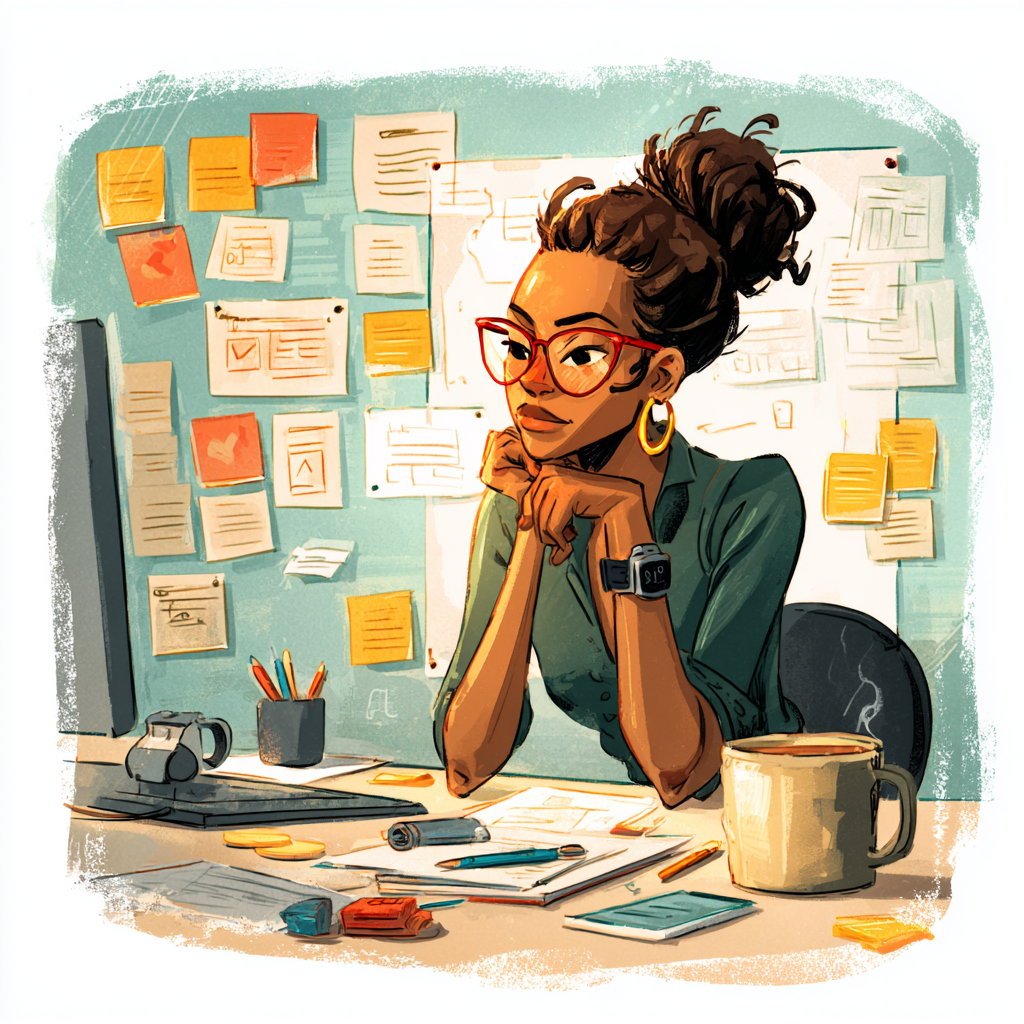
There’s a kind of design work that doesn’t make it into portfolios. It doesn’t get featured on Dribbble or celebrated in design awards. Most people outside the team will never even know it exists.
I was obsessed with composition, symbolism, and making every frame feel intentional. And then, somewhere along the way, I found myself drawn to something else: product design.
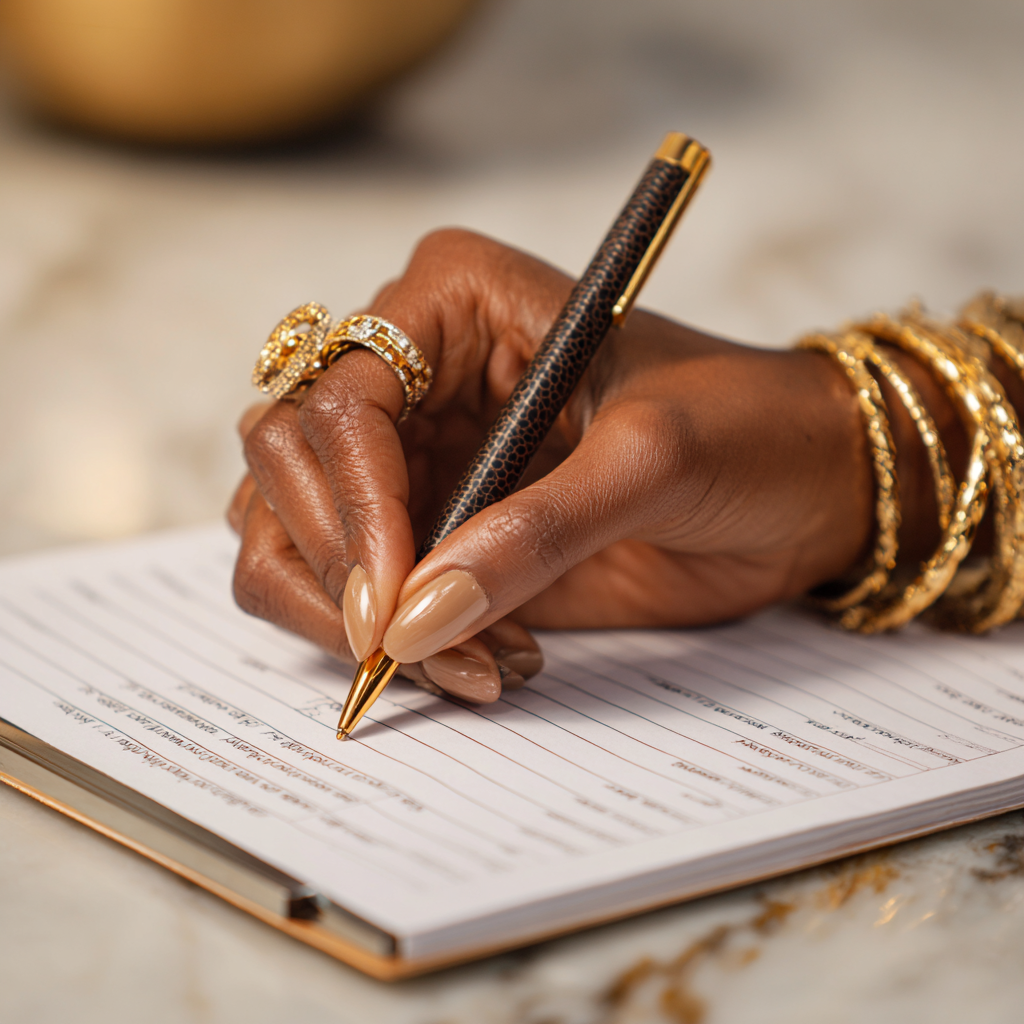
Every week, I sit down and map out what I need. But it’s not just a random brain dump of items. It’s organized by category: produce, proteins, pantry staples, household essentials. Each category lives in the same order, every single time. Produce always comes first because that’s the first section I hit when I walk into the store. Dairy is last because I don’t want my oat milk getting warm while I’m debating between jasmine rice and basmati.