


Project details
- Project Name: Product Design & UX Practice
- Author: Whitney Cullens
- Description: Designing thoughtful, user-centered product experiences through clarity, systems thinking, and intentional decision-making.
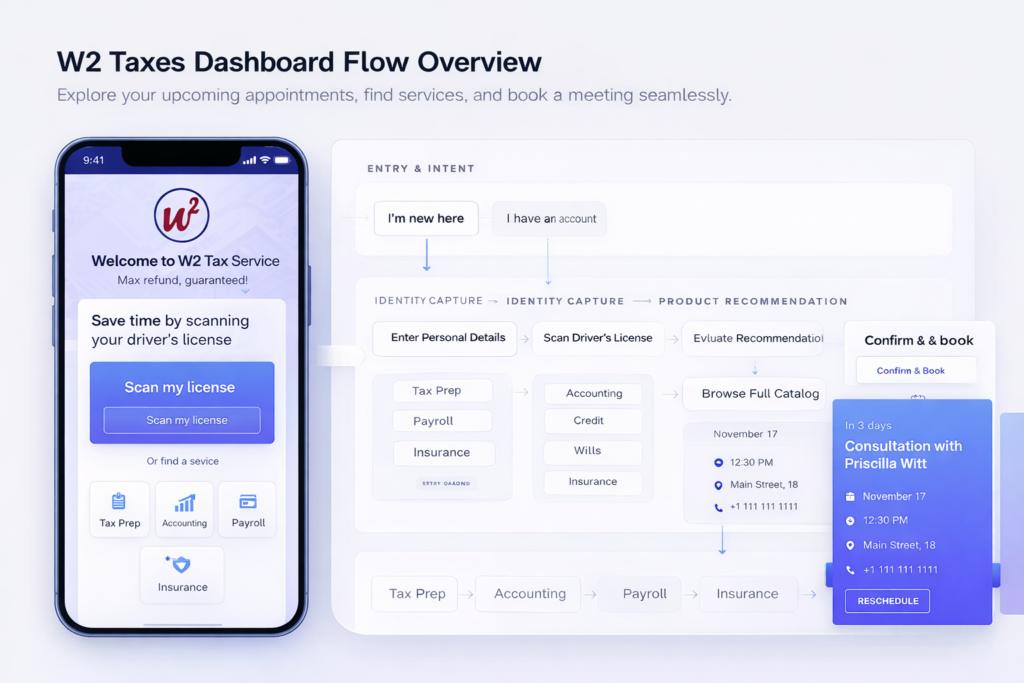
- 1. W2 Taxes — Mobile Tax Platform: Designed the end-to-end mobile flow from identity capture to appointment booking, prioritizing trust, speed, and reduced effort (e.g., license scanning to pre-populate data). Focused on sequencing, decision clarity, and state awareness in a high-stakes financial experience.
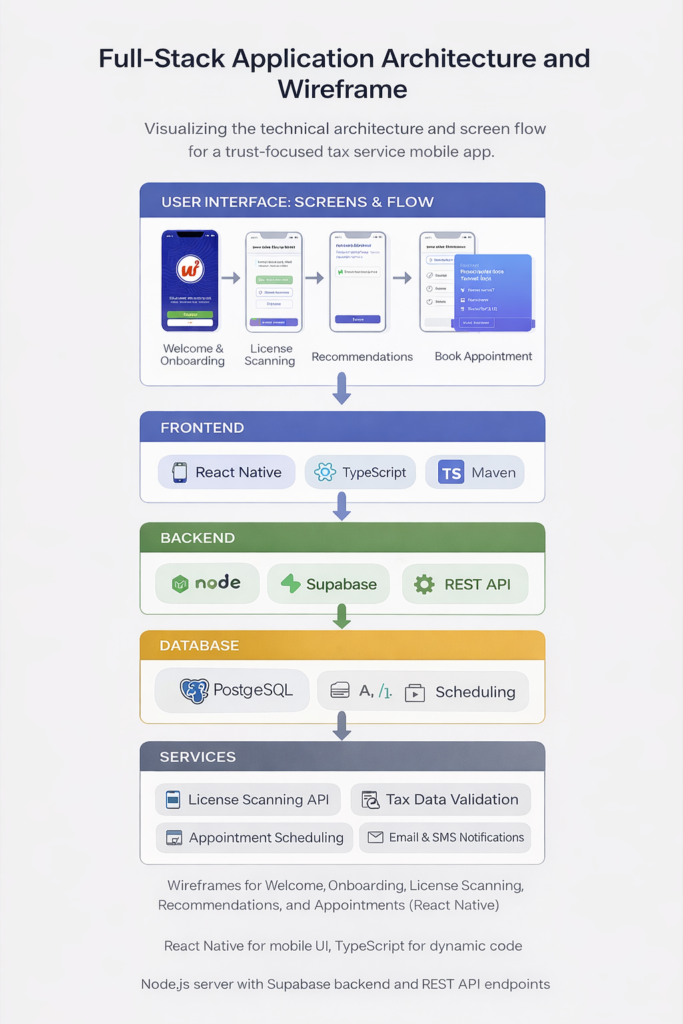
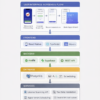
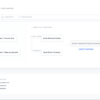
- 1.1 W2 Taxes — System & Logic Architecture: Created logic-first system flows, wireframes, and full-stack architecture maps aligning UI decisions with frontend, backend, data, and third-party integrations. Reduced downstream ambiguity by validating states, edge cases, and system dependencies early.
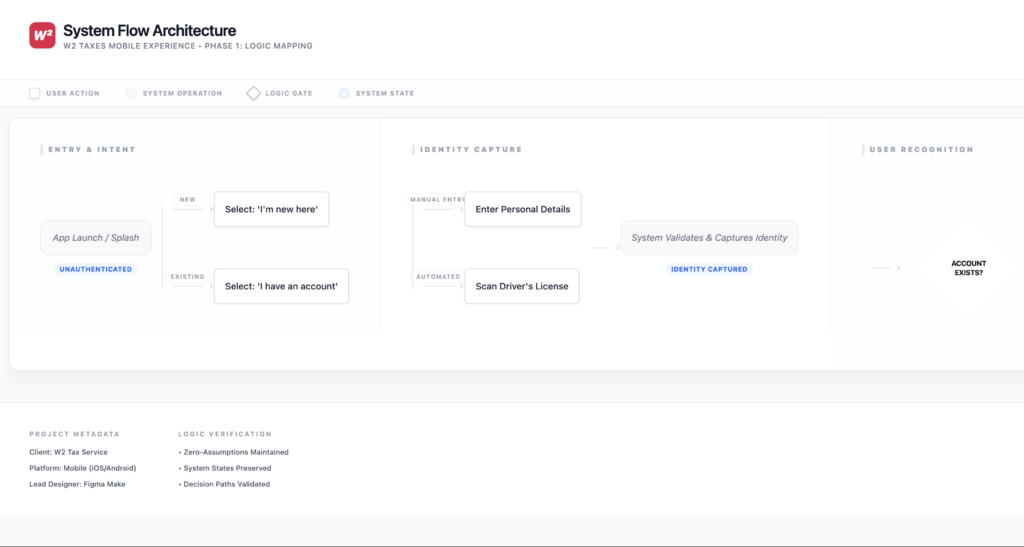
- 1.3 W2 Taxes — System Flow Architecture (Logic Mapping): A logic-first system flow that defines user actions, system operations, identity states, and decision gates before high-fidelity design. This artifact was used to validate assumptions, preserve system states, and confirm edge cases prior to implementation. The goal here was clarity over completeness—establishing shared understanding across product, engineering, and operations before committing to screens.
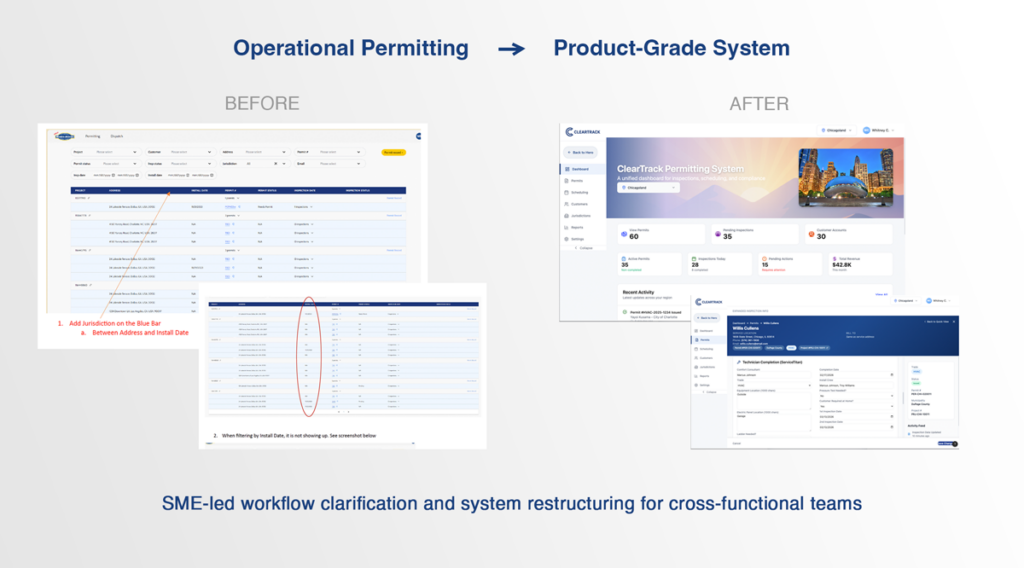
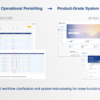
- 2. Before → After — Operational Permitting to Product-Grade System: This comparison documents the transformation of a fragmented operational permitting workflow into a cohesive, product-grade system. The “before” state reflects tool-driven complexity and manual workarounds; the “after” introduces structured dashboards, clear status states, and unified visibility across teams. The work is SME-led and workflow-driven, focused on reducing friction not by adding features, but by restructuring how information flows through the system.
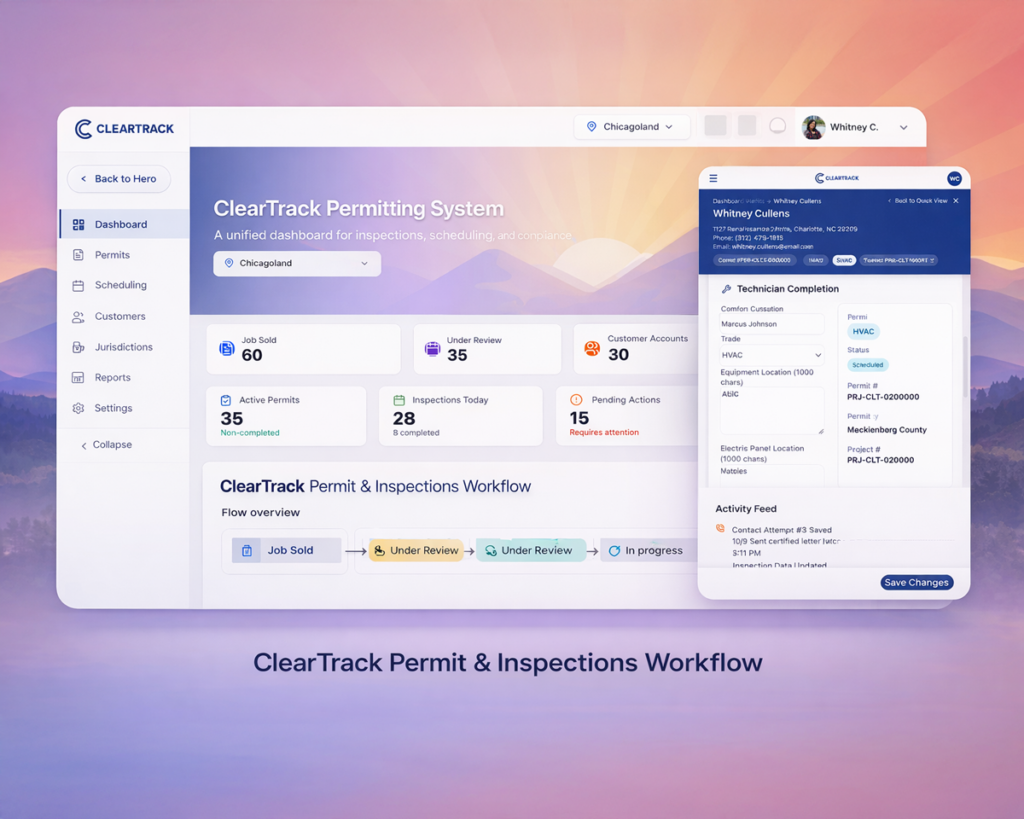
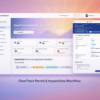
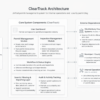
- 3. ClearTrack — Permitting Dashboard & Architecture: Led SME-driven transformation of fragmented permitting workflows into a cohesive product experience. Replaced manual workarounds with structured dashboards, clear status states, and shared visibility—reducing friction by restructuring information flow, not adding features.
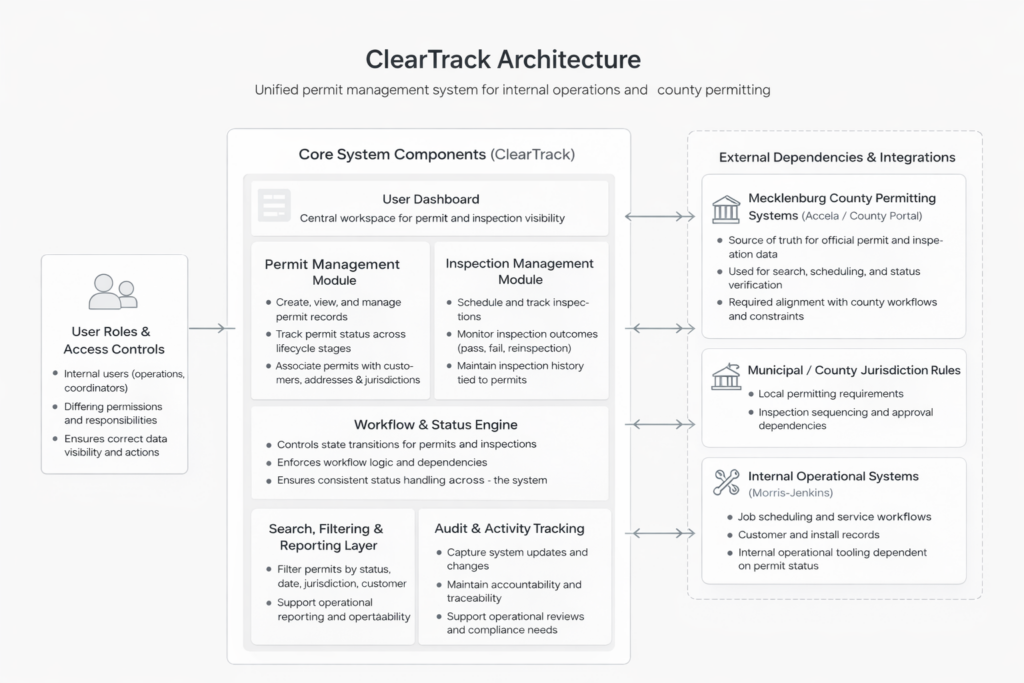
- 3.1 ClearTrack — System Architecture: Designed a high-fidelity operational dashboard unifying inspections, scheduling, compliance, and customer context. Work was grounded in real usage patterns and regulatory constraints, balancing information density with clarity for all-day internal use. Supported by a system architecture mapping roles, workflows, and municipal integrations.
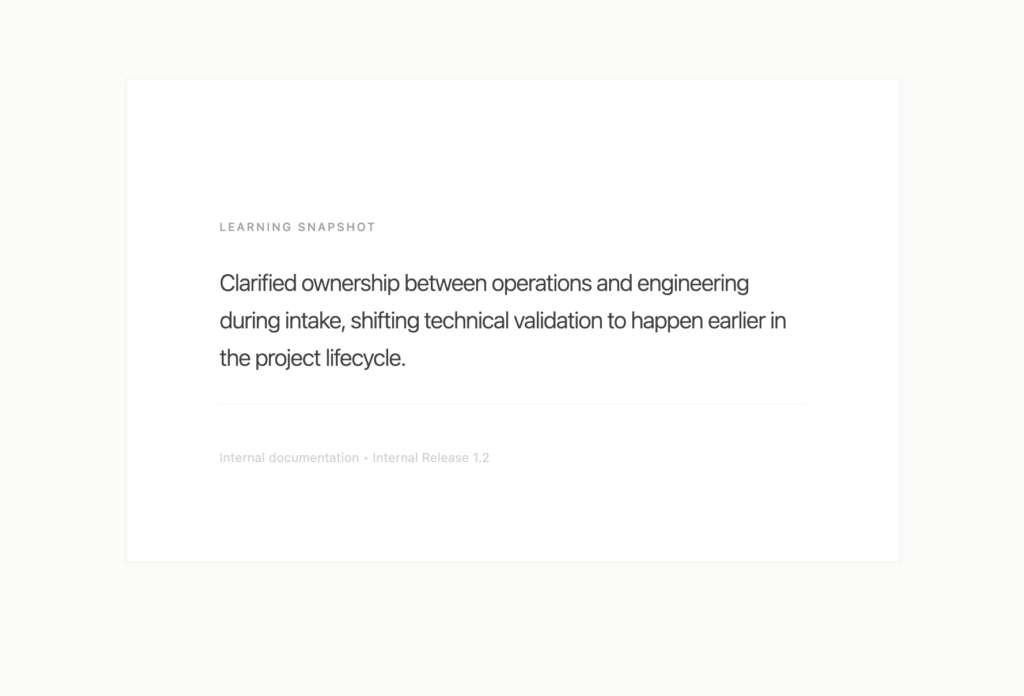
- 4. Key Learning: Shifted technical validation earlier in intake, clarifying ownership between operations and engineering and reducing downstream rework—demonstrating how structural design decisions can drive organizational impact.
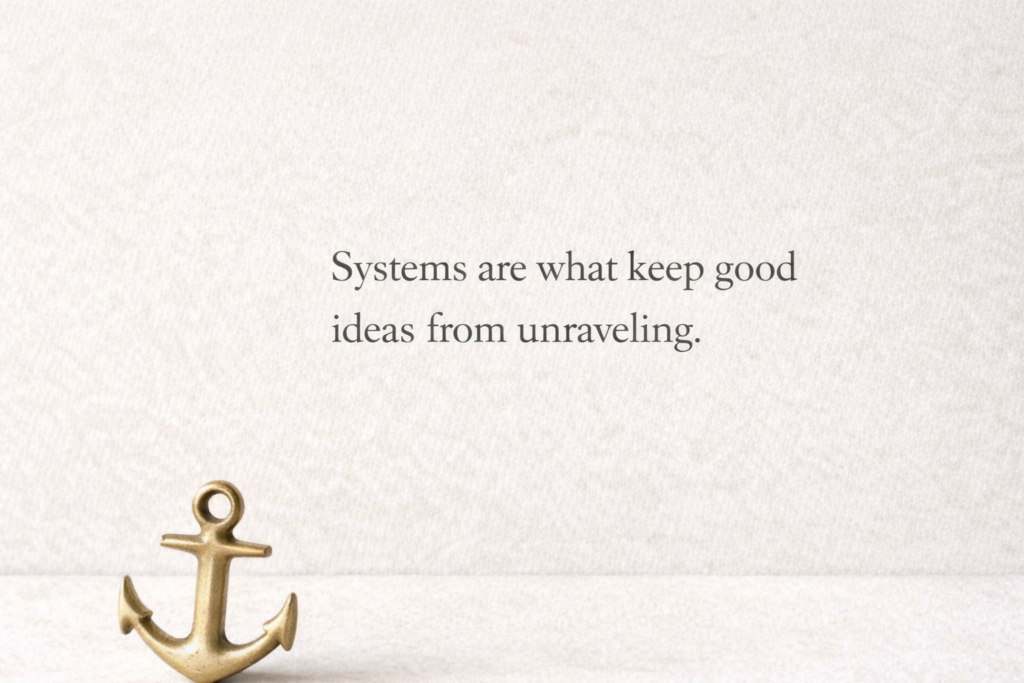
- 5. Design Principle: “Systems are what keep good ideas from unraveling.” This quote serves as a framing principle for the work shown—reinforcing a design philosophy rooted in structure, stewardship, and long-term thinking over visual spectacle.
Product Design & UX
Product Design & UX
This card brings together multiple product design case fragments that demonstrate how I clarify complex systems, shape user experiences, and take responsibility for outcomes across the full lifecycle—from early logic mapping to product-grade interfaces and operational learning.
Product design, to me, starts with care—for the people using what we build, and for the teams bringing it to life.
I approach UX as a decision-making practice. That means understanding context, asking better questions, and designing experiences that feel clear, intentional, and grounded in real use. I think deeply about flows, hierarchy, edge cases, and what happens after something ships—not just how it looks in the happy path.
My background across creative, marketing, and operations gives me a wide lens. I move comfortably between strategy and execution, translating complexity into interfaces that feel calm and understandable. I’m especially drawn to work where design reduces friction, supports trust, and quietly helps people accomplish what they came to do.
Good UX doesn’t call attention to itself. It earns confidence over time.