


Project details
- Project Name: Design Systems & Scalable Frameworks
- Author: Whitney Cullens
- Description: Building scalable design frameworks that support consistency, collaboration, and long-term product growth.
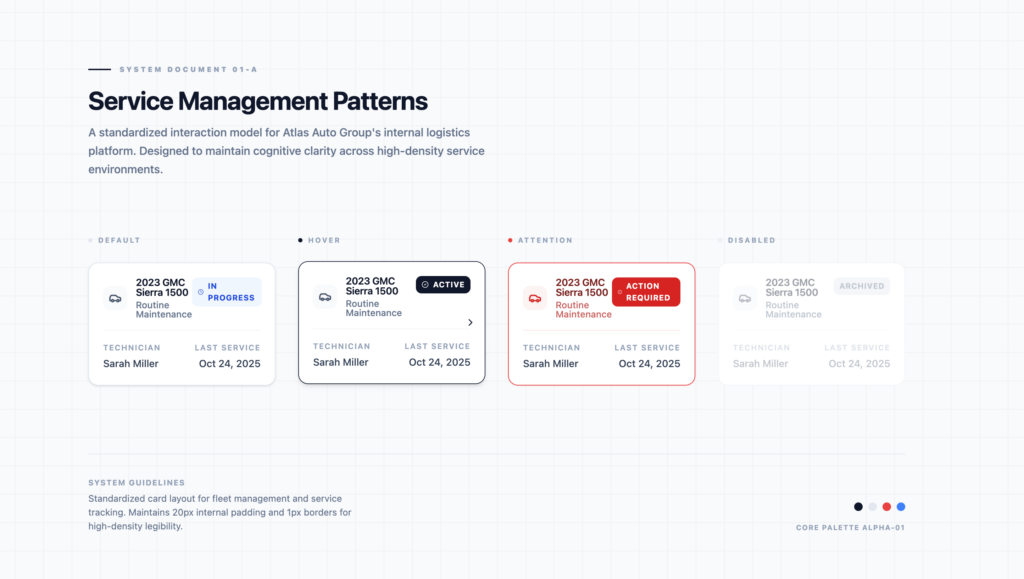
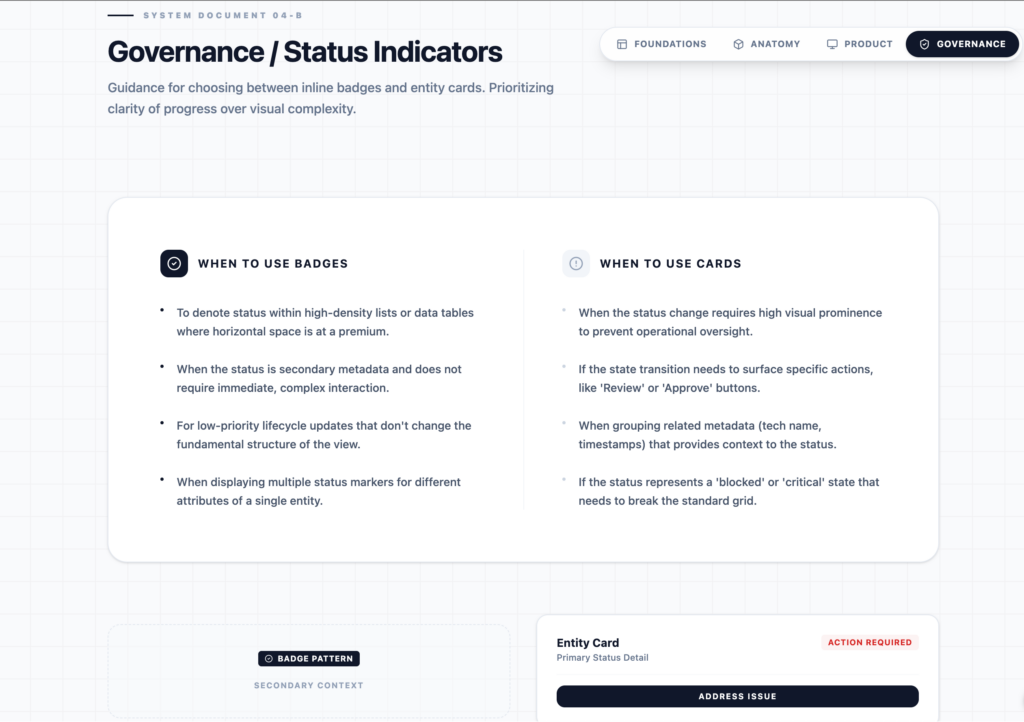
- 1. Component Anatomy & Pattern Breakdown: A detailed look at the system’s building blocks, showing how components are structured, named, and related. This artifact emphasizes clarity of intent—what each component is responsible for and how it should be used—creating shared understanding across design and engineering.
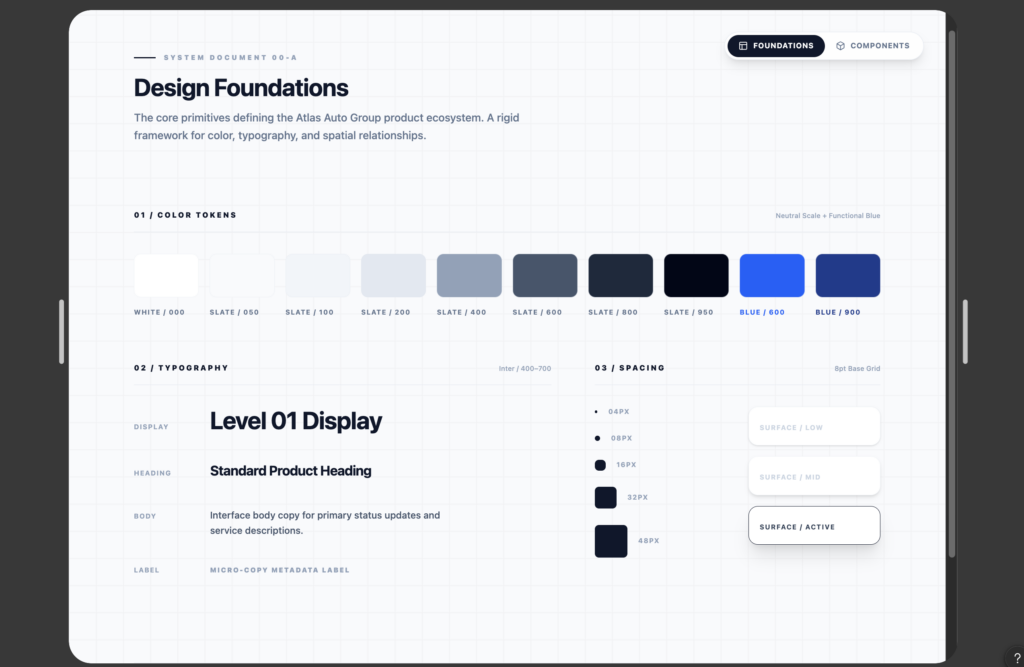
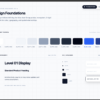
- 2. Foundations / Token Snapshot: A snapshot of the system’s foundational layer: tokens, primitives, and baseline rules that govern spacing, hierarchy, and interaction. These foundations ensure consistency across products while allowing flexibility at the composition level.
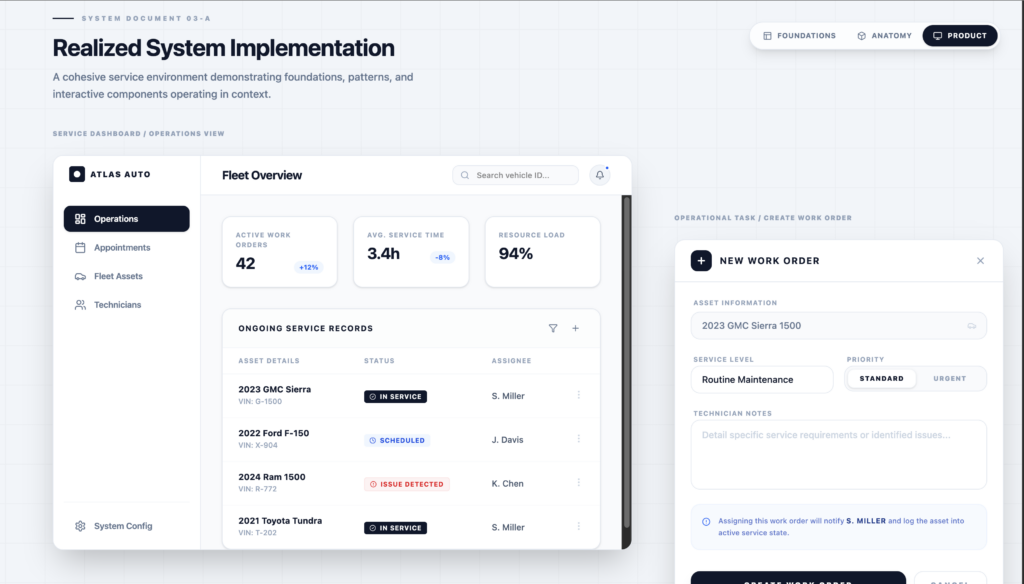
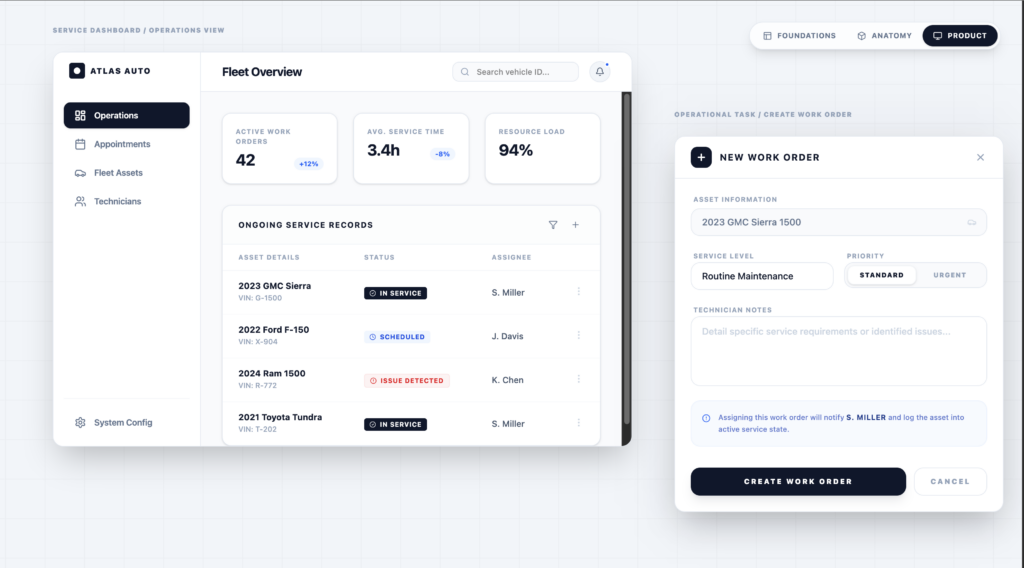
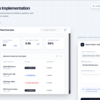
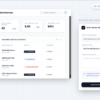
- 3–5. Real UI Composed from the System: High-fidelity operational interfaces built entirely from system components. These screens demonstrate how the framework scales in practice—supporting dense data, complex workflows, and real user constraints without introducing one-off solutions. The emphasis here is not polish, but reliability: predictable patterns, clear states, and interfaces that hold up under daily use.
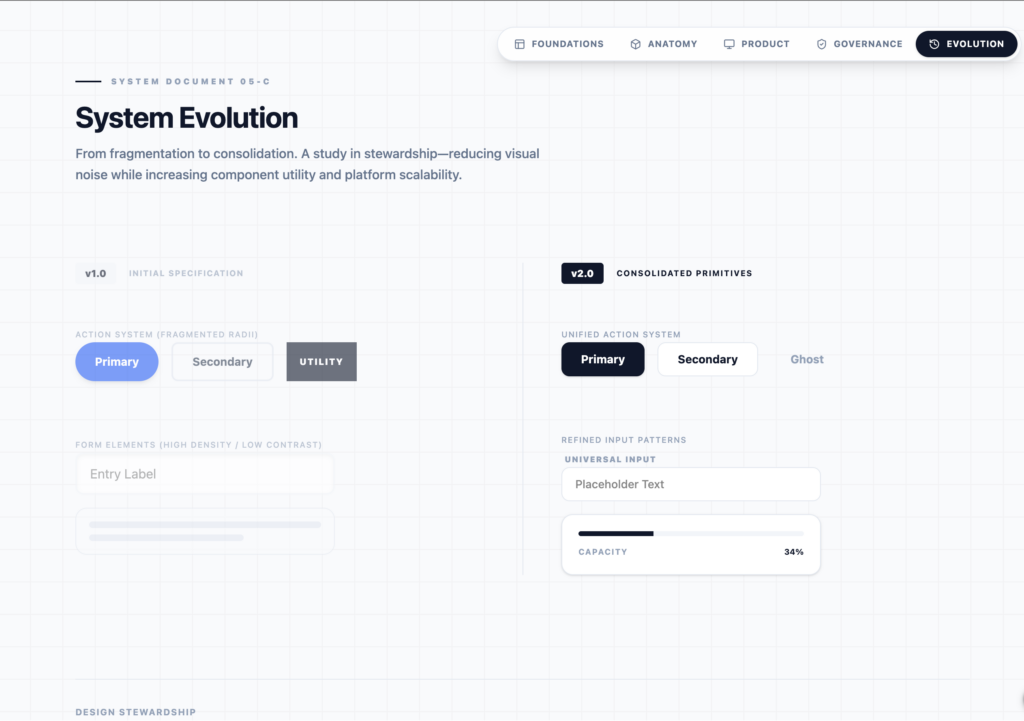
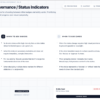
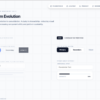
- 6. System Evolution Over Time: A documented comparison showing how the system matured—from fragmented patterns and redundant elements to consolidated primitives and refined inputs. This artifact highlights decision-making over time, showing what was simplified, unified, or removed to improve long-term maintainability and platform scalability.
Design Systems & Scalable Frameworks
Design Systems & Scalable Frameworks
I think about systems the way I think about cities—structure matters, but flexibility is what makes them livable.
This work reflects how I design for scale: creating frameworks that help teams move faster without losing coherence. I’m interested in patterns, governance, and repeatability—the kinds of decisions that make future work easier, more consistent, and less fragile. Design systems aren’t just UI libraries. They’re shared language. They capture intent, encode standards, and support collaboration across roles and time zones. I enjoy the quiet problem-solving here: anticipating edge cases, balancing constraints, and designing components that can grow without breaking.
When systems are done well, they fade into the background—and that’s the point.
Atlas Auto Group
A design system built and stewarded to support complex operational workflows at scale. This work spans component anatomy, foundational tokens, governance rules, and real production interfaces composed entirely from the system.
Rather than treating the system as a static library, this card shows how foundational decisions translate into live, high-density UIs—and how the system evolved over time through consolidation, simplification, and improved component utility. The focus is long-term clarity, consistency, and platform scalability.