

Project details
- Project Name: Prototyping & Interaction Design
- Author: Whitney Cullens
- Description: Exploring ideas through iteration, interaction, and early feedback to clarify direction before committing to build.
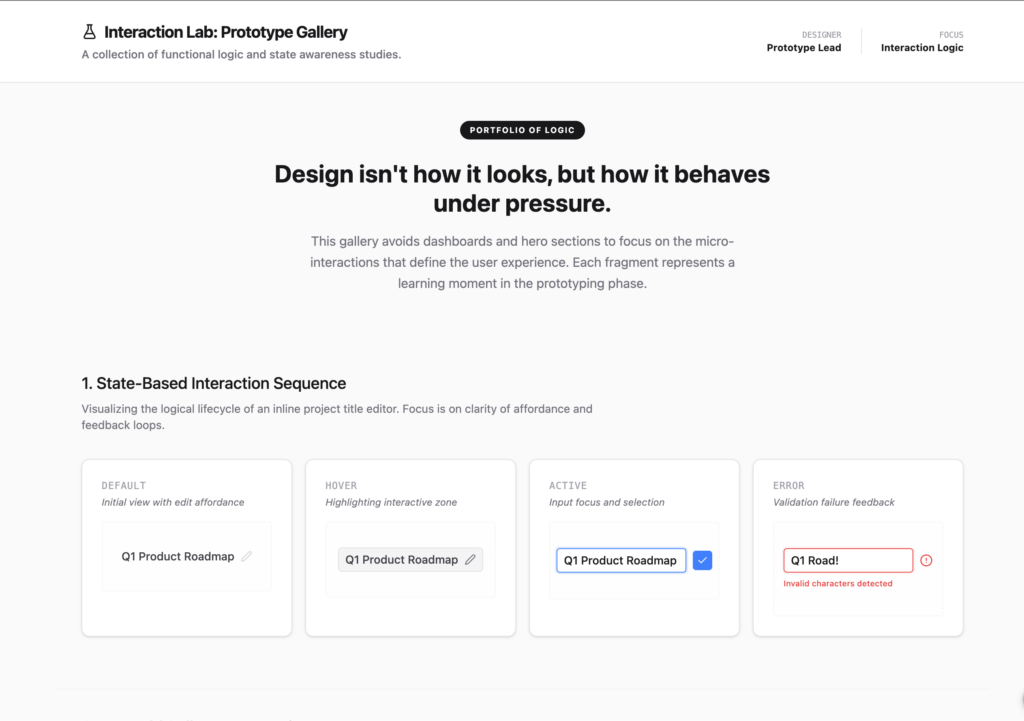
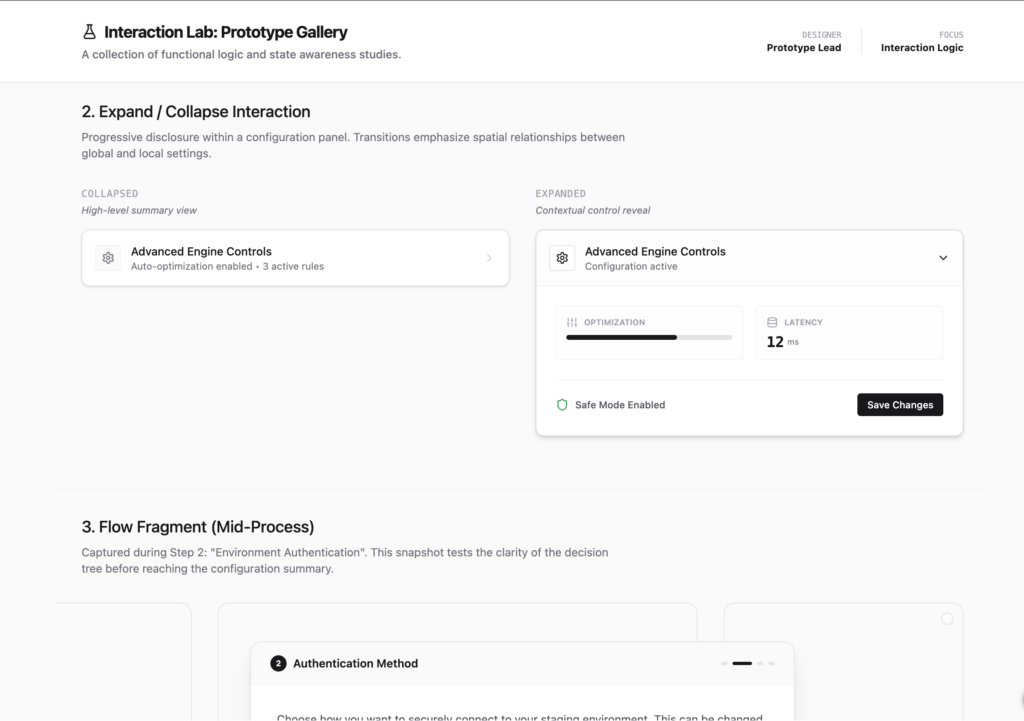
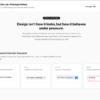
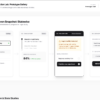
- 1–4. State-Based Interaction Sequence: A full state lifecycle study for an inline editor—default, hover, active, and error—designed and tested within Statewise. These sequences validate affordance clarity, feedback timing, and error visibility in high-frequency interactions. Human-centered focus: helping users confidently edit, correct, and recover without second-guessing the system.
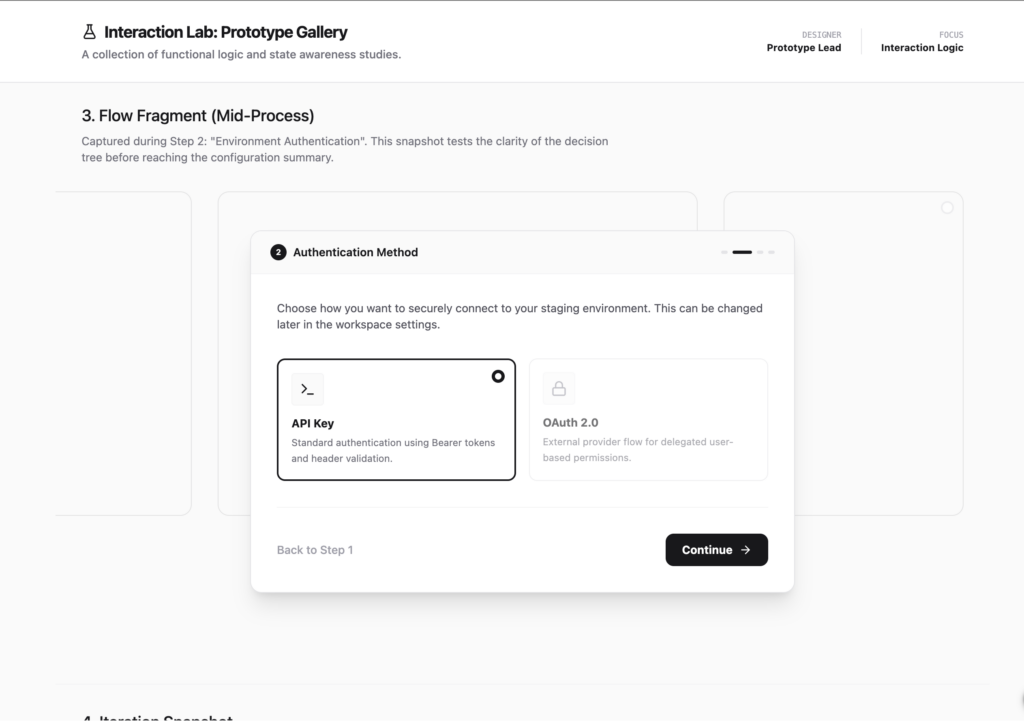
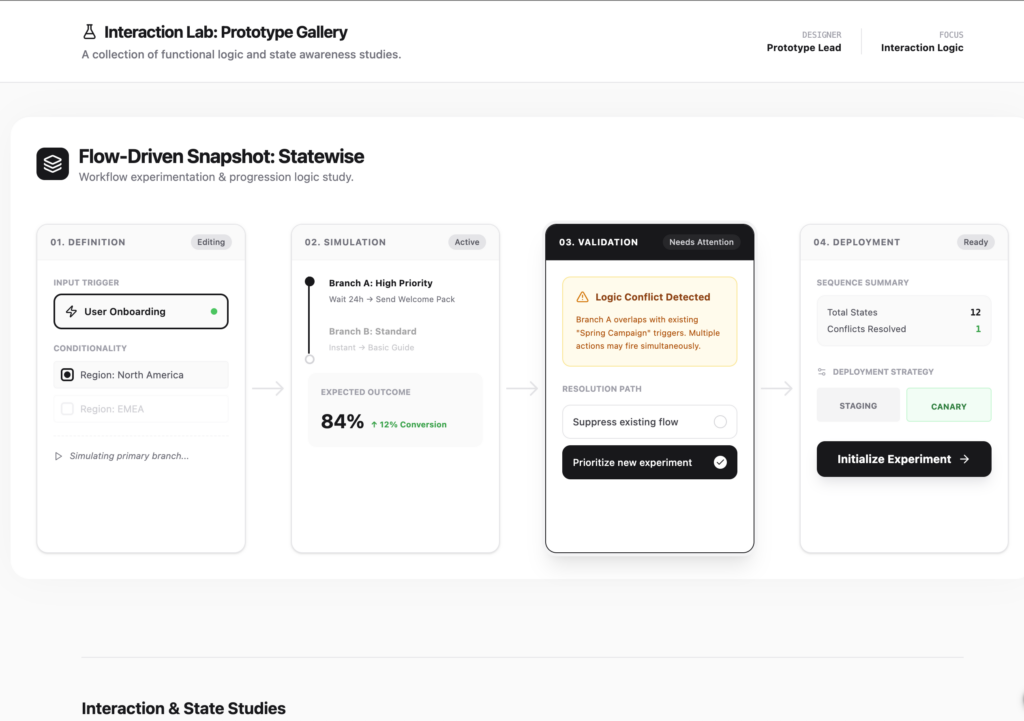
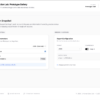
- 5. Flow-Driven Prototype: A multi-step workflow prototype from Interaction Lab, mapping progression, branching logic, validation, and readiness states. Conflicts are intentionally surfaced early, with clear resolution paths offered before users reach irreversible steps. Human-centered focus: making progress and decision points visible so users understand what still matters.
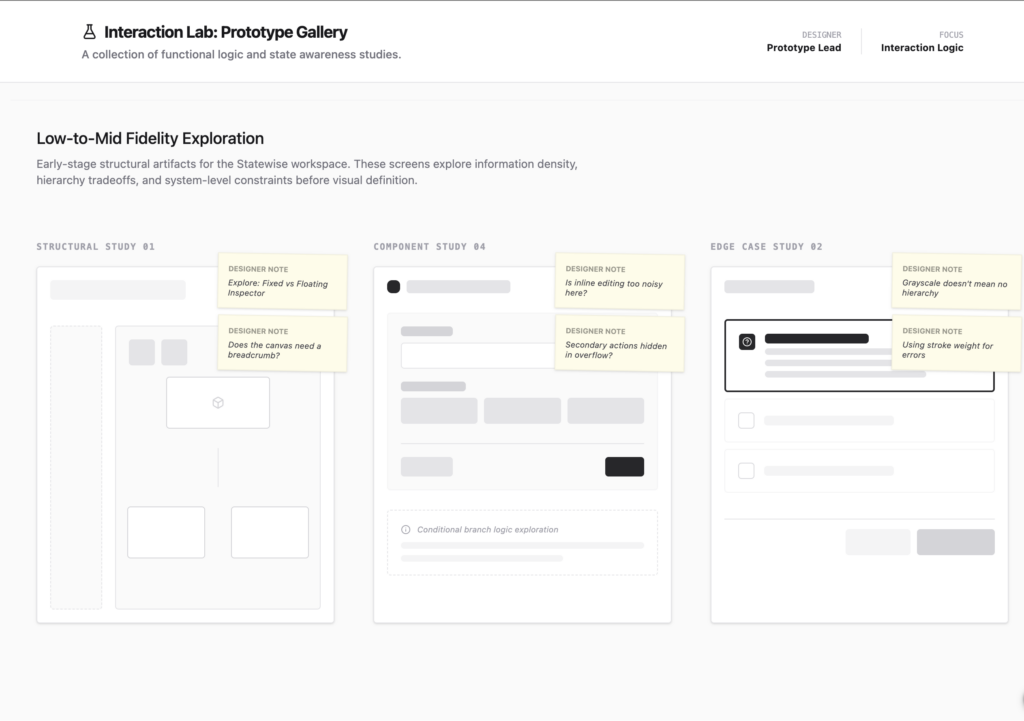
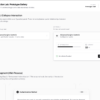
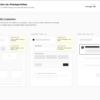
- 6. Low-to-Mid Fidelity Exploration: Early structural explorations for Statewise, used to test layout, hierarchy, and system constraints before visual refinement. Embedded notes document open questions and tradeoffs explored during prototyping. Human-centered focus: resolving cognitive friction early—before it becomes visual debt.
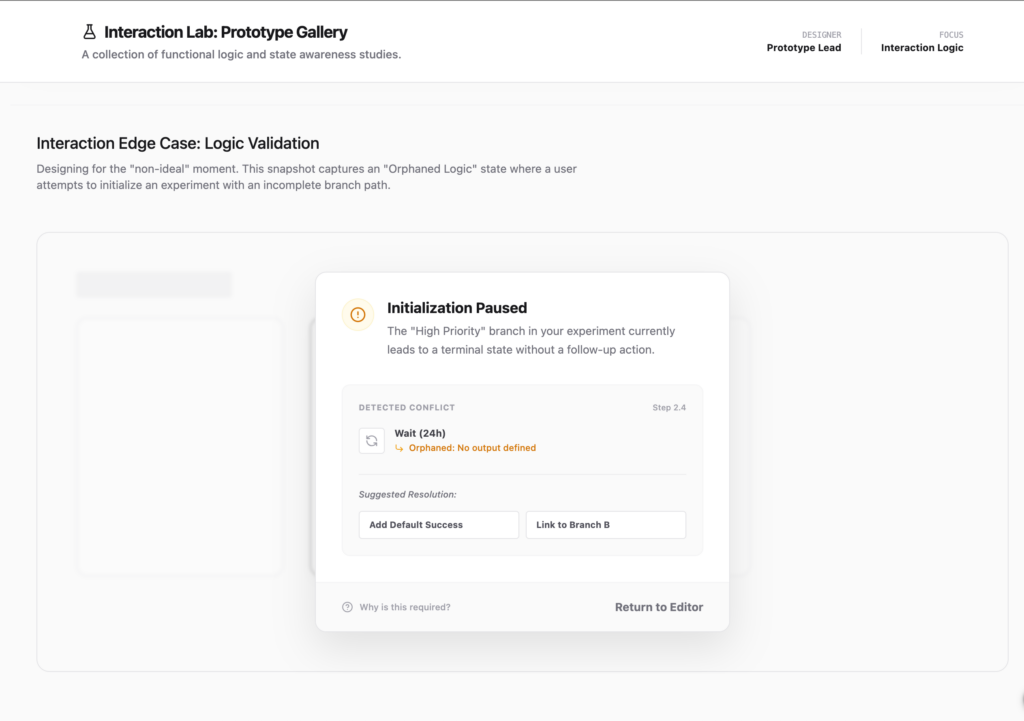
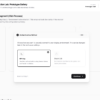
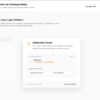
- 7. Interaction Edge Case / Failure State: A designed “non-ideal” scenario where incomplete logic prevents progression. The system pauses execution, explains the issue in plain language, and offers corrective paths rather than silently blocking the user. Human-centered focus: respecting user effort by explaining why progress stopped and how to fix it.
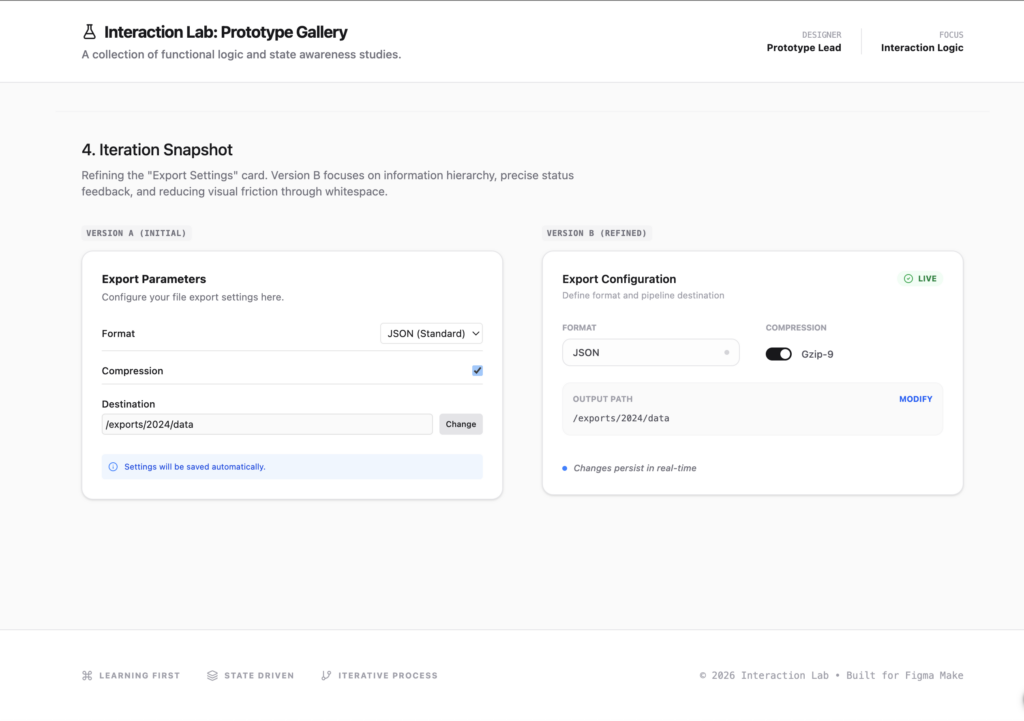
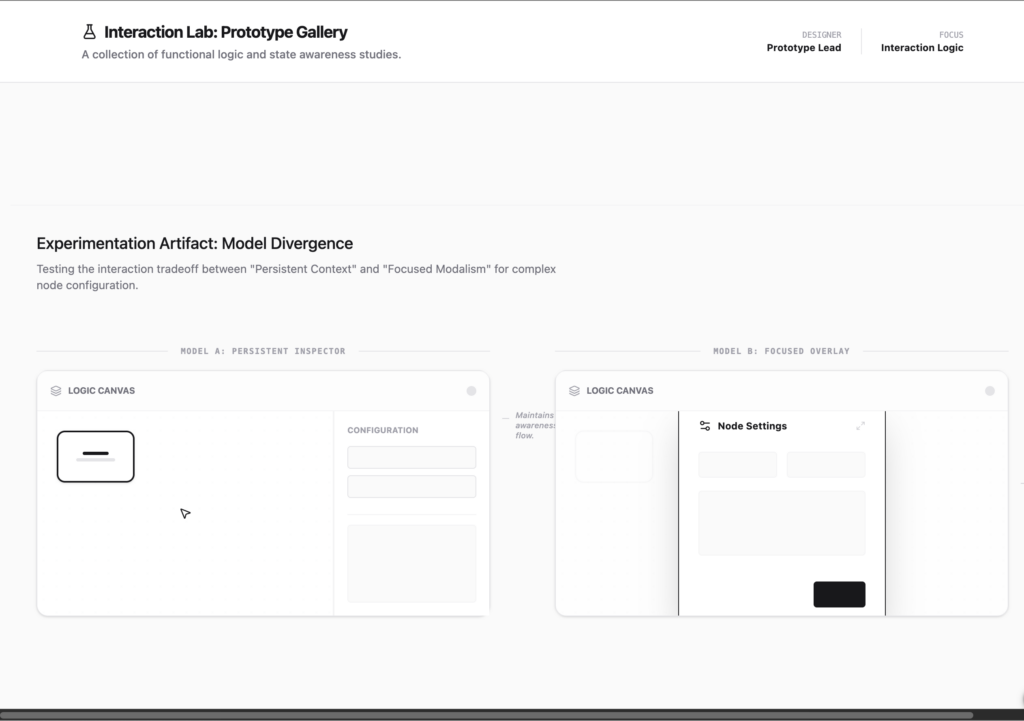
- 8. Experimentation Artifact: A comparative study exploring persistent context versus focused modal interaction within Statewise. The artifact documents a tradeoff in orientation, attention, and cognitive load—capturing decision-making, not just outcomes. Human-centered focus: maintaining awareness without overwhelming users during complex configuration tasks.
Prototyping & Interaction Design
Prototyping & Interaction Design
Interaction Lab · Statewise
This work comes from Interaction Lab, a prototyping environment focused on testing interaction logic, state transitions, and behavior under real-world pressure. The studies shown are part of Statewise, a workflow-driven product exploring how complex systems guide users through decisions, errors, and recovery.
Rather than showcasing polished end states, these prototypes examine how people experience products mid-flow—when information is incomplete, choices are constrained, or logic breaks down. Each artifact represents a learning moment, designed to surface clarity, reduce cognitive load, and preserve user trust when systems are stressed.
This is where ideas get pressure-tested.
I use prototyping as a way to think out loud—to explore flows, interactions, and edge cases before anything hardens into code. Sometimes that looks like wireframes or clickable prototypes. Other times it’s mapping states, sequencing decisions, or testing assumptions through lightweight experiments.
I’m especially interested in what happens between screens: transitions, feedback, moments of pause, moments of confusion. The subtle interactions that either build trust or quietly erode it.
Prototypes don’t need to be precious. They need to be honest. They help teams learn faster, argue less, and make better decisions together.